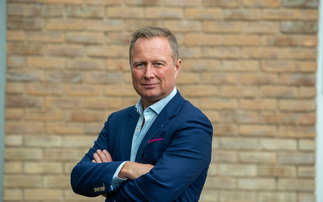


The Government's investment into long term care will only be a 'short-term and partial solution' to the problem of funding, according to Sir Stewart Sutherland, chairman of the Royal Commission.
Speaking at a lecture hosted by the Joseph Rowntree Foundation Sutherland welcomed the £1.4 billion promised in the NHS Plan in July.
He said: "These arrangements will ease the inequitable financial burden on older people currently required to pay for nursing care they receive in nursing homes - care which would be free in any other setting. Some individuals will save around £100 a week."
Sutherland also applauded the planned funding for rehabilitation in residential care for three months following discharge.
However, he said he could not understand how permanent change could occur until resources were made available for domiciliary care following rehabilitation. At the moment he said many social services departments could not afford care for those ready to leave hospital but unable to care for themselves.
He said: "These problems will not go away. After the three months of rehabilitation support, many individuals will require long term domiciliary care or residential care which is not available at a price that they, or the social services, can cover."
Sutherland added that even those who would benefit from Government help would still need to find around £300 per week to pay for care. As a result there are few people that will be able to afford care in the future who could not currently pay.
He said: "Problems will continue for older people unable to afford domiciliary care. Social services have to encourage older people to go into residential care so that their individual homes can be sold and the resources released to pay for care costs.
"Anomalies created by separate funding regimes - where healthcare is free and personal care is means-tested - will be perpetuated. It does not seem probable that the measures announced so far - helpful as they are within limited perameters - will achieve the flexibility, effectiveness, quality of service and affordability which would flow from removing the sharp, but artificial division between healthcare and personal care."