

Mental health problems will be the number one health priority for the world in the near future and workplaces must play their part in tackling it, a conference has heard.
The effects are already being seen in the UK with more than three-quarters of referrals to a fit for work pilot scheme relating to mental issues.
It was also argued that different strategies must be used to address patients' needs in this area, rather than simply medically diagnosing and treating them.
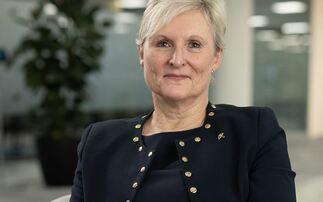
Dame Carol Black, who is co-leading the independent sickness absence review, told WPA's health and productivity conference about the experiences and severity of the issue in the UK.
"Mental health is a very large challenge to us in the UK," she said.
"We are being encouraged to work to a later age and so need to be healthier, but often there are no policies for handling mental health pro-actively in the workplace."
When asked if this included non-work related issues, she confirmed these must be incorporated.
"It's a point I want addressed in the fit for work pilots around the country," she continued.
"In the Leicestershire fit for work pilot, 78% of their problems in the last two months have been non-medical.
"They're related to housing, debt, family relationships, caring responsibilities, or not liking the job they've got - which is causing the stress to not want to be in work, as opposed to not wanting to work."
She added that these causes indicated the "medicalised" service usually offered in the UK "does not cut it anymore" and was not answering the problems people had.
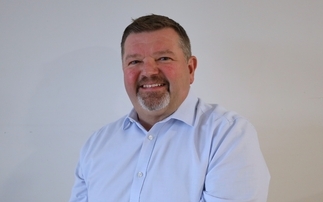
Dr Fikry Isaac, vice president of Global Health Services at Johnson and Johnson, explained the scale of the problem and that companies could not act only on issues related to work.
"Mental well being is a global issue and it's not typically just related to work," he said.
"People are people - they take their work problem to home and bring their problems to the workplace, so we see this as a holistic issue to deal with.
"We collect data from employee assistance programmes (EAP) and counsellors to understand the root causes and we design interventions based on that. If there are issues about conflict in a work place we designate and target people to those areas," he added.
Professor Dee Edington of the University of Michigan, echoed these comments and noted that different approaches needed to be taken.
"It would help if specialists are trained in 21st century issues not 20th century issues," he said.
"The 20th century focused on risk factors and the 21st century must be more in behaviour health and looking at strategies around culture - how do you improve the culture and environment in organisations and communities?
"And they must focus primarily on mental health which I think is going to be the primary future issue overall," he concluded.